
Common Mistakes That Delay a Metal Fabrication Project (And How to Avoid Them)
When a metal fabrication project falls behind schedule, it’s rarely because of one big failure. More often, delays come from a series of small missteps early in the process - many of which are avoidable with the right planning and communication.
At JAMM Fabrication, we’ve seen firsthand what causes fabrication timelines to stretch longer than expected. Whether you’re working on a custom metal project, a commercial build, or a production run, understanding these common mistakes can help you stay on track and get better results from start to finish.
1. Incomplete or Unclear Project Information
One of the biggest causes of fabrication delays happens before work even begins. Missing dimensions, unclear drawings, undefined finishes, or last-minute design changes all slow down production.
Fabrication relies on precision. When details are unclear, estimators, engineers, and fabricators are forced to pause and ask questions - or worse, redo work that was already completed.
Provide clear drawings, specifications, and expectations upfront. If you’re unsure about certain details, work with your fabricator early to define them before material is ordered or cut.
2. Poor Material Selection
Material choice impacts everything - from performance and durability to lead time and cost. Choosing a material without considering availability, finish requirements, or how it behaves during fabrication can introduce unexpected delays.
Some materials may require longer sourcing times, specialty tooling, or additional processing steps that weren’t planned for initially.
Consult your metal fabricator during the design phase. An experienced shop can help you choose materials that meet performance needs while keeping timelines realistic.
3. Underestimating Lead Times
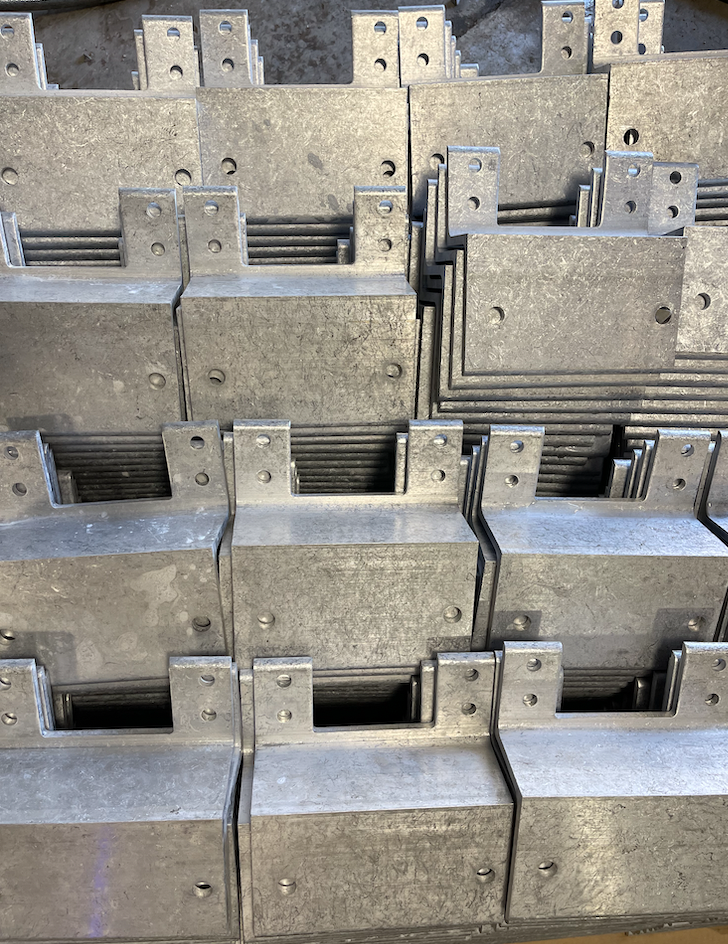
Fabrication doesn’t happen overnight. Material procurement, cutting, bending, welding, machining, finishing, and inspection all take time, especially when quality and precision matter.
A common mistake is assuming a project can move faster than the process realistically allows.
Build buffer time into your schedule and ask your fabricator for realistic lead times upfront. A good shop will be transparent about timelines and help you plan accordingly.
4. Design Changes After Production Starts
Late-stage design changes are one of the most disruptive factors in metal fabrication. Once material is cut or parts are formed, even small changes can require rework, new material, or entirely new setups. This not only delays the project but can also increase costs.
Finalize designs before production begins whenever possible. If changes are unavoidable, communicate them as early as possible so your fabricator can adjust with minimal disruption.
5. Ignoring Tolerances and Fit Requirements
Not all parts need ultra-tight tolerances, but when tolerances are critical and not clearly communicated, delays are almost guaranteed. Parts that don’t fit properly lead to adjustments, rework, or scrapped material.
Clearly define tolerance requirements and critical dimensions. An experienced fabrication shop will help determine what tolerances are necessary and achievable for your application.
6. Overlooking Finishing and Coating Requirements
Powder coating, painting, galvanizing, or specialty finishes often add time to a project, but they’re sometimes treated as an afterthought. Finishing steps require prep, curing, and quality checks that must be factored into the schedule.
Discuss finishing requirements early and include them in your project timeline. Knowing the finish upfront allows the shop to plan sequencing and avoid last-minute delays.
7. Lack of Communication During the Project
Fabrication projects are dynamic. Questions come up. Adjustments may be needed. When communication breaks down, small issues can turn into major delays.
Work with a fabricator who prioritizes clear communication. Establish a point of contact and stay engaged throughout the project. Quick responses help keep everything moving.
8. Choosing Speed Over Experience
It’s tempting to select a shop based solely on promised turnaround times. But speed without experience often leads to mistakes, rework, and missed deadlines. Quality fabrication takes planning, skilled labor, and proven processes.
Choose a fabricator with a track record of delivering consistent, reliable work. Experience allows shops to anticipate challenges and prevent delays before they happen.
Final Thoughts
Most fabrication delays don’t come from the shop floor - they come from decisions made early in the process. Clear communication, thoughtful planning, and partnering with the right metal fabrication shop make all the difference.
At JAMM Fabrication, we believe that avoiding delays starts with doing things right the first time. From material selection to final inspection, our process is built to keep projects moving efficiently without sacrificing quality.
When everyone is aligned from day one, fabrication becomes what it should be: smooth, predictable, and built to last.
