
How to Prepare Your Drawings Before Sending Them to a Fabrication Shop
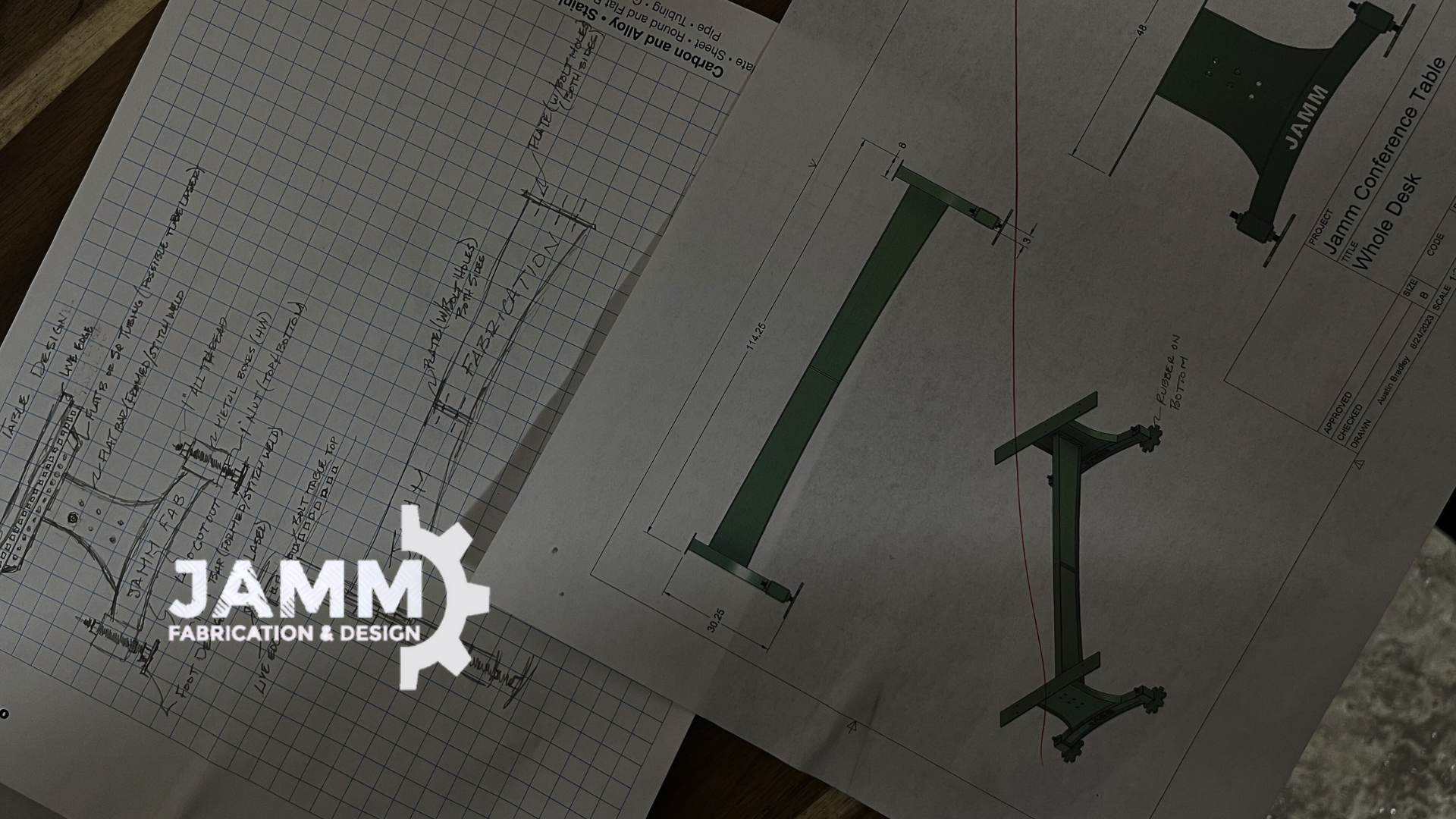
Clear drawings are one of the most important factors in a successful metal fabrication project. When drawings are complete and accurate, projects move faster, pricing is more precise, and production runs smoother.
If you’re preparing drawings to send to a fabrication shop, here’s how to make sure they’re ready.
1. Include Complete Dimensions
Every critical measurement should be clearly labeled. Missing dimensions cause delays because fabricators must pause to request clarification.
Make sure your drawings show:
Overall dimensions
Hole sizes and locations
Material thickness
Bend angles and radii
Clarity at this stage prevents costly rework later.
2. Define Tolerances Clearly
If certain dimensions require tight tolerances, specify them directly on the drawing. Avoid assuming “standard” tolerances will apply to critical features.
At the same time, avoid over-specifying tolerances where they aren’t necessary. This can increase machining time and cost.
3. Identify Materials and Finishes
Include:
Material type (carbon steel, stainless, aluminum, etc.)
Grade if applicable
Surface finish requirements
Coating or paint specifications
This ensures the shop can quote accurately and source material efficiently.
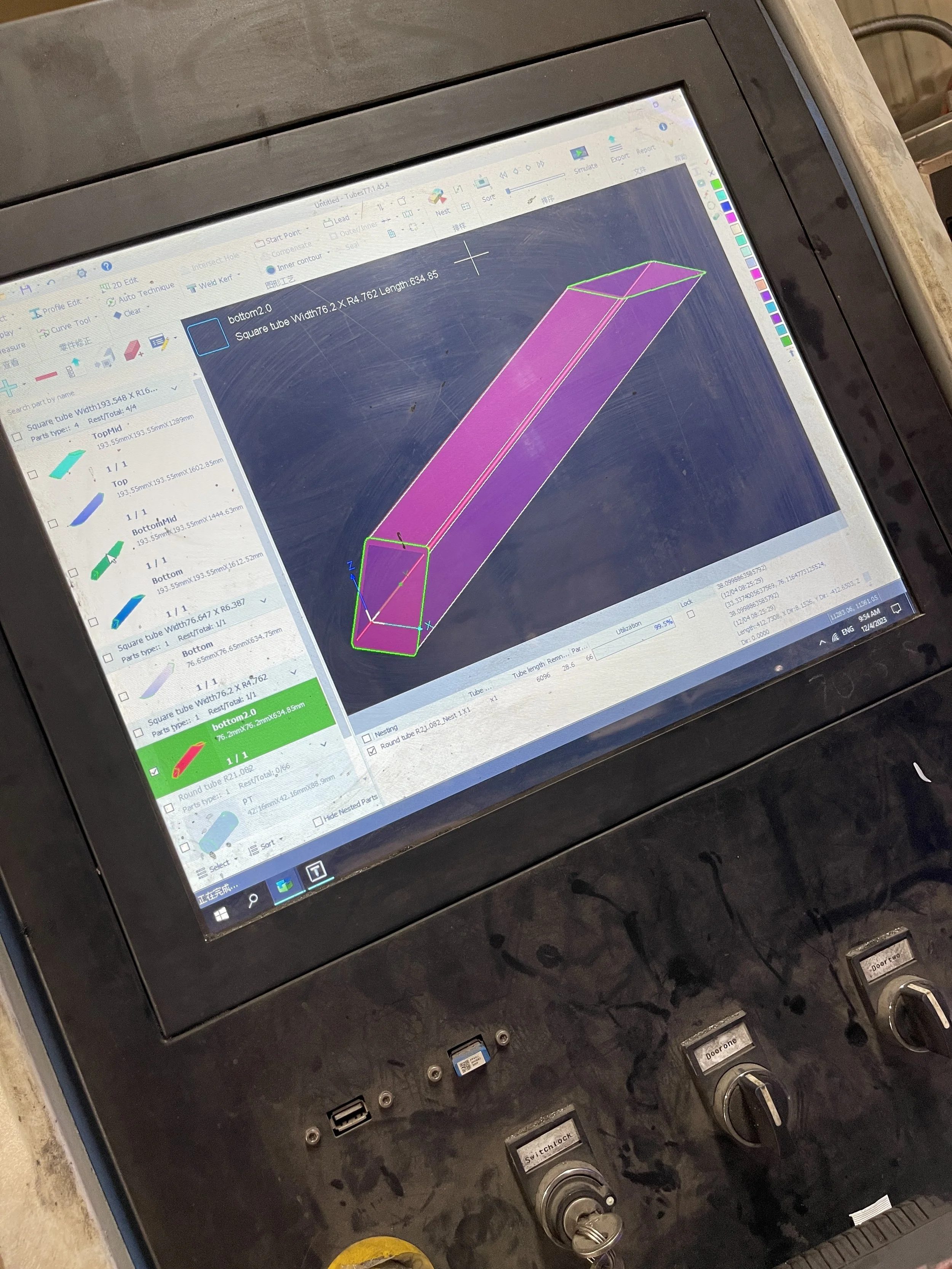
4. Provide Proper File Formats
Most fabrication shops prefer CAD files in formats like:
STEP
DXF
DWG
Providing 3D models alongside 2D drawings can eliminate confusion and improve production accuracy.
5. Clarify Function, Not Just Form
If your part has a specific load requirement, environmental exposure, or performance expectation, share that information. Understanding the function allows fabricators to flag potential issues early.
6. Review Before Sending
Before submitting drawings:
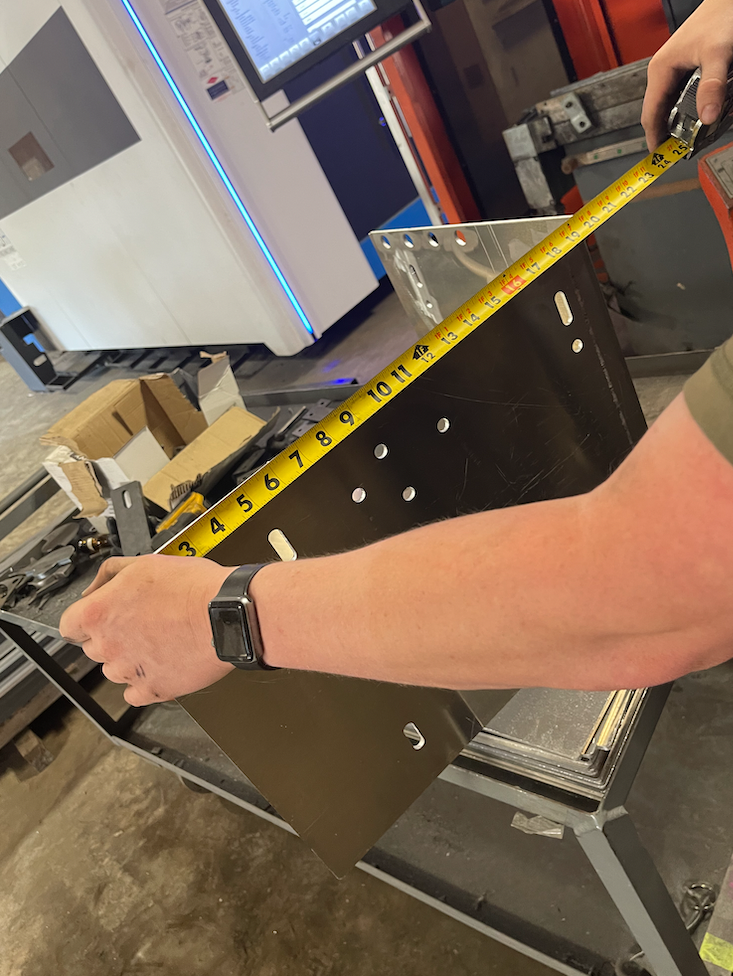
Double-check dimensions
Confirm hole spacing
Verify material callouts
Ensure notes are readable
A quick internal review can save days of back-and-forth communication.
Why This Matters
Complete drawings reduce risk. They shorten quoting time, prevent production delays, and improve final quality.
At JAMM Fabrication, we work with everything from napkin sketches to full CAD packages. The clearer the starting point, the smoother the process, but we’re also ready to help refine and improve drawings when needed.
If you’re preparing a custom fabrication project, sending complete and accurate drawings is one of the best steps you can take to keep things efficient, cost-effective, and on schedule.
