
What Impacts the Cost of a Custom Metal Fabrication Project?
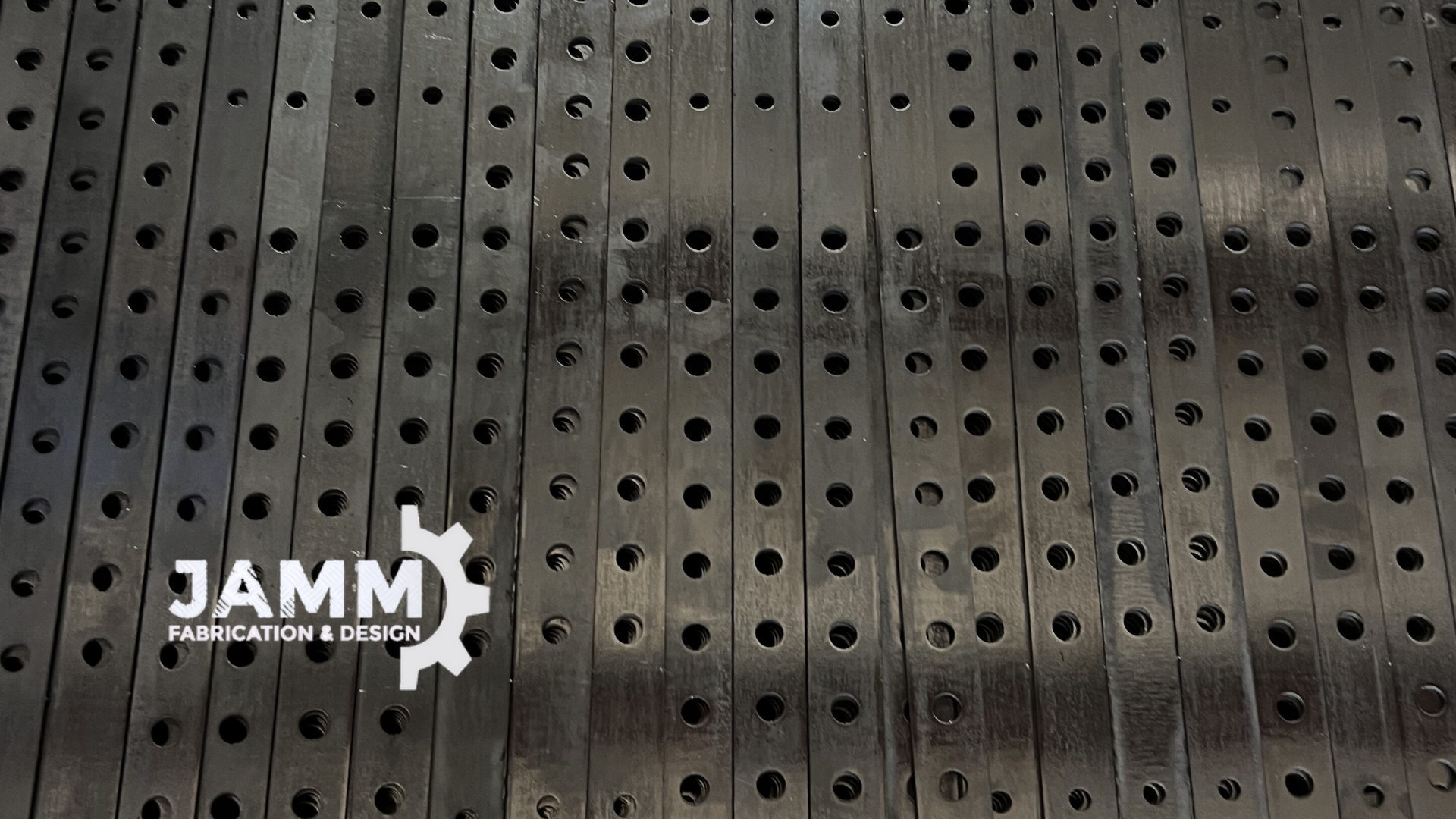
When customers reach out about a custom metal fabrication project, one of the first questions is almost always: “How much will this cost?”
The honest answer? It depends - but not in a vague way. The cost of custom fabrication is driven by specific, measurable factors. Understanding those factors upfront helps you plan smarter, avoid surprises, and move your project forward efficiently.
Here’s what truly impacts the cost of a custom metal fabrication project.
1. Material Selection
The type of metal you choose plays a major role in pricing. Carbon steel, stainless steel, and aluminum all behave differently, and they’re priced differently.
Material cost depends on:
Market pricing and availability
Thickness and size
Specialty grades or finishes
Stainless steel, for example, is typically more expensive than carbon steel. Aluminum may require different tooling or processes. Choosing the right material for performance - not just price - helps balance cost and long-term durability.
2. Design Complexity
Simple parts cost less to produce than complex ones. That may sound obvious, but complexity shows up in several ways:
Tight tolerances
Intricate cut patterns
Multiple bends or formed features
Secondary machining operations
Specialized welds
The more operations required, the more time and equipment involved. Smart design can significantly reduce unnecessary fabrication steps and overall cost.
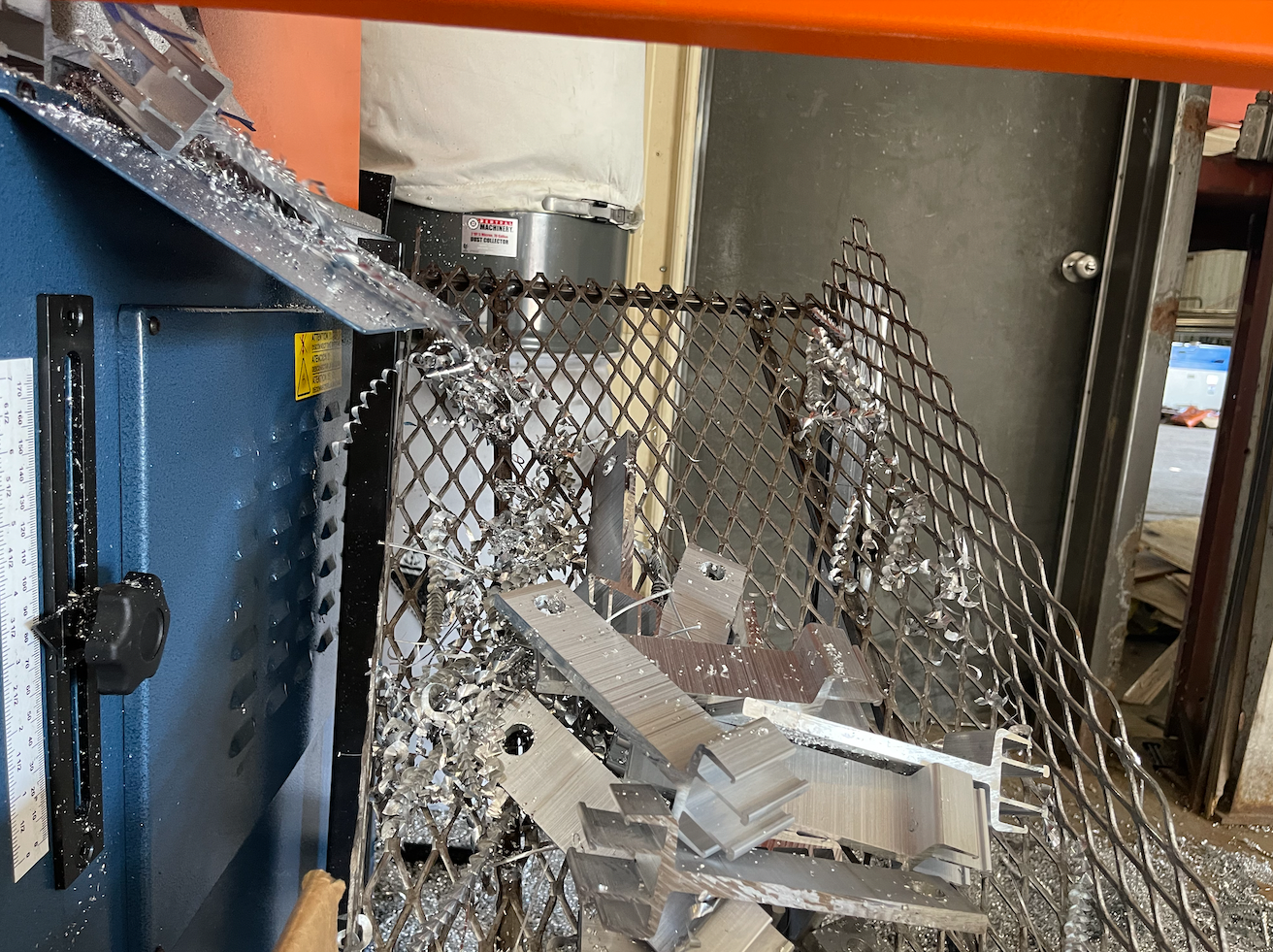
3. Volume and Production Quantity
Quantity directly affects price per part.
For one-off custom pieces, setup time represents a larger portion of the total cost. For high-volume production runs, that setup time is spread across many parts, reducing the per-unit price.
If you anticipate future repeat orders, communicating that upfront allows your fabrication partner to plan accordingly.
4. Tolerances and Precision Requirements
Tighter tolerances often mean:
Slower machine speeds
More inspection time
Additional setups
Higher skill involvement
Precision costs money, but it also protects performance. The key is identifying where tight tolerances are necessary and where standard tolerances will perform just fine.
5. Finishing and Coating
Powder coating, painting, galvanizing, polishing, or specialty finishes add time and labor to a project.
Finishing processes involve:
Surface preparation
Cleaning or blasting
Cure times
Inspection
Including finishing requirements early in the quoting process helps prevent pricing adjustments later.
6. Timeline and Urgency
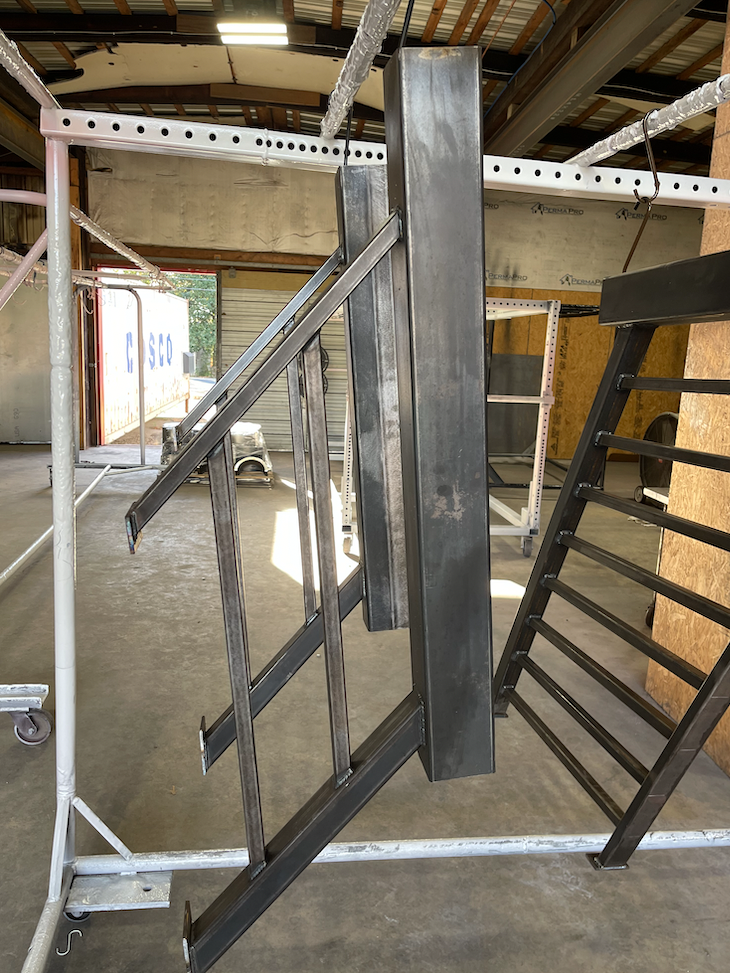
Expedited jobs can increase costs. When production schedules are adjusted to prioritize a rush order, it may require overtime labor or workflow shifts.
Planning ahead is one of the simplest ways to control fabrication costs.
7. Engineering and Drawings
If your project comes with complete, production-ready drawings, pricing is more straightforward. If engineering support is required, such as converting a concept into fabrication-ready plans that additional work factors into the cost.
Clear documentation reduces back-and-forth and protects your budget.
Final Thoughts
The cost of custom metal fabrication isn’t random - it’s built on material, complexity, precision, finishing, and planning.
At JAMM Fabrication, we believe in transparency. Our goal is to provide accurate quotes based on real project requirements, not guesswork. When customers understand what drives cost, they make better decisions and projects move forward smoothly.
If you’re planning a custom metal fabrication project and want clarity on pricing, our team is ready to walk through it with you.
