
Why Keeping Fabrication Under One Roof Reduces Risk (and Delivers Better Results)
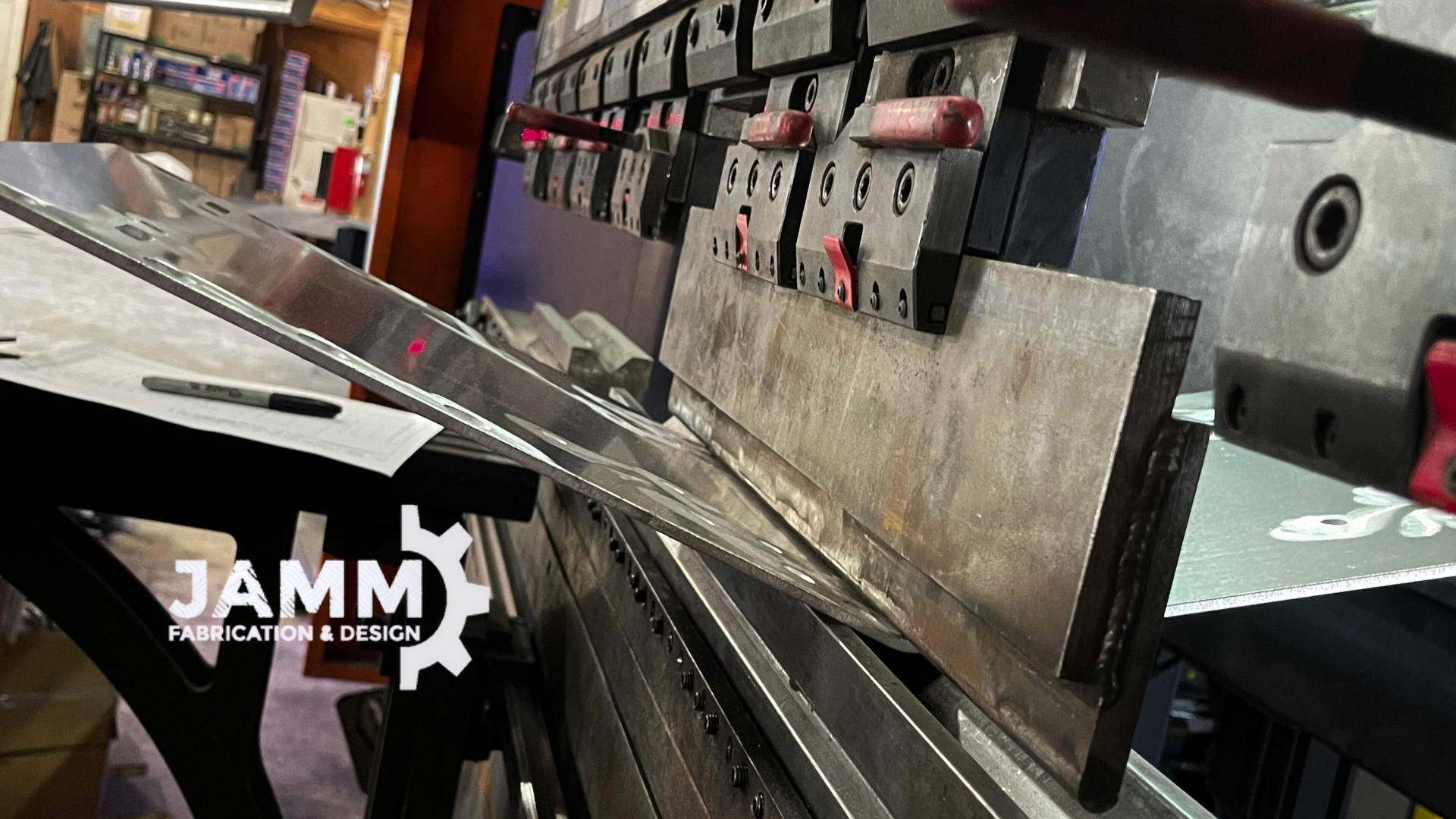
When a metal fabrication project involves multiple vendors, multiple handoffs, and multiple timelines, risk naturally increases. Delays, miscommunication, inconsistent quality, and finger-pointing can all creep in, especially on complex or time-sensitive jobs.
That’s why full-service fabrication isn’t just about convenience. It’s about control, accountability, and reducing risk from the very beginning of a project through final delivery.
At JAMM Fabrication, keeping key processes under one roof allows us to manage quality, timelines, and outcomes more effectively so that projects move smoother and deliver better results.
Fewer Vendors, Fewer Variables
Every time a project moves from one shop to another, new variables are introduced. Parts get handled more. Schedules get layered. Information gets passed along - and sometimes gets lost.
Full-service fabrication reduces that complexity by limiting how many hands a project passes through. When cutting, machining, welding, finishing, and inspection happen within the same operation, there’s less room for misalignment and more clarity at every stage.
The result? Fewer surprises and fewer things that can go wrong.
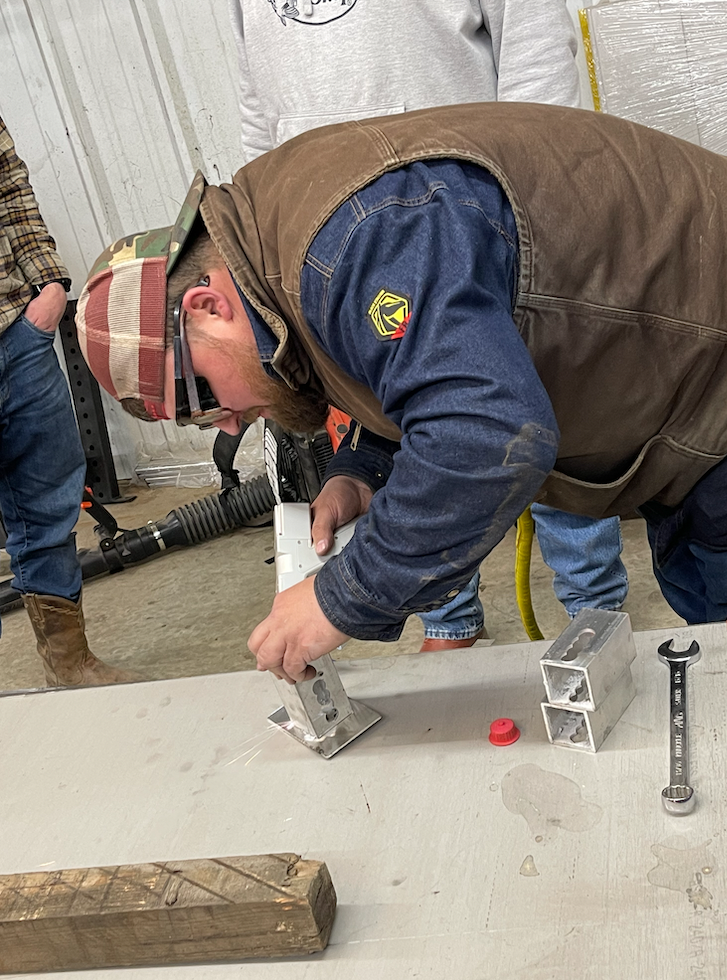
Better Communication From Start to Finish
One of the most common sources of fabrication risk is miscommunication. When design intent, tolerances, materials, or finishes aren’t clearly aligned between vendors, mistakes happen - and they’re usually discovered late in the process.
With full-service fabrication, communication stays centralized. Engineering, estimating, production, and quality teams are working from the same information and collaborating in real time. Questions get answered quickly, adjustments are made early, and decisions are based on a full understanding of the project - not assumptions.
That level of communication helps prevent rework, delays, and unnecessary cost.
Consistent Quality Control
Quality control isn’t just a final checkpoint - it’s an ongoing process. When fabrication steps are split across multiple shops, maintaining consistent quality standards becomes harder. Each vendor has their own processes, tolerances, and inspection methods.
Keeping fabrication in-house allows for consistent quality checks at every stage. Issues can be identified and corrected immediately, before they compound into bigger problems downstream.
This is especially critical for projects with tight tolerances, repeat production runs, or parts that need to perform in demanding environments.
Reduced Handling and Rework
Every transfer between vendors introduces risk. Parts can be damaged, misaligned, or improperly re-clamped. Even small handling errors can throw off tolerances or compromise surface finishes.
Full-service fabrication minimizes unnecessary handling. Fewer setups and fewer transfers mean better part integrity and more reliable results, especially on complex components that require multiple operations. Less handling also means less rework, which protects both timelines and budgets.
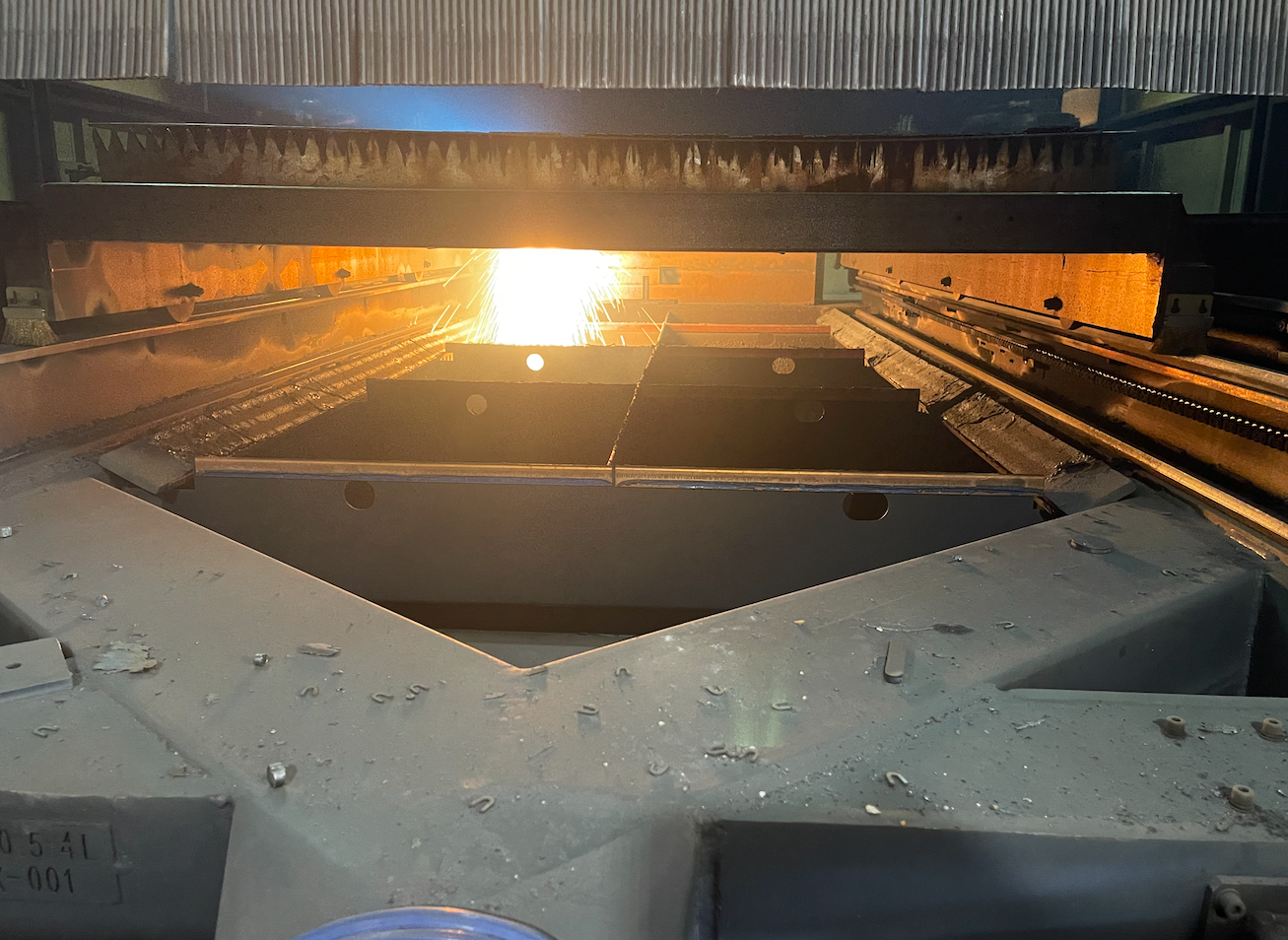
Better Schedule Control
When multiple shops are involved, timelines depend on external schedules, shipping logistics, and coordination across vendors. One delay can ripple through the entire project.
With a full-service fabrication partner, scheduling is managed internally. Production sequencing, machine availability, and finishing timelines are coordinated under one roof, allowing for better forecasting and faster response when priorities shift.
This level of control helps projects stay on track, even when challenges arise.
Accountability You Can Trust
When something goes wrong on a multi-vendor project, accountability can get murky. Was it the design? The machine shop? The welder? The finisher?
Full-service fabrication simplifies that equation. There’s one team responsible for the outcome, which means problems are solved - not deflected. That accountability builds trust and leads to better long-term partnerships.
At JAMM, standing behind the work is part of the job.
When Full-Service Fabrication Matters Most
Not every project requires a full-service shop, but many benefit from it, especially when:
Tolerances are tight
Timelines are aggressive
Parts are complex or high-volume
Quality and consistency are critical
Fewer variables mean better outcomes
From prototype development to repeat production, full-service fabrication reduces risk by keeping control where it belongs.
The JAMM Approach
At JAMM Fabrication, full-service isn’t a buzzword - it’s how we build. By combining machining, fabrication, welding, finishing, and inspection under one roof, we help our customers avoid common pitfalls and move projects forward with confidence. Less handoff. Less guesswork. Less risk. Just solid work, done right.
