
What Is Structural Steel Fabrication? A Guide for Contractors and Builders
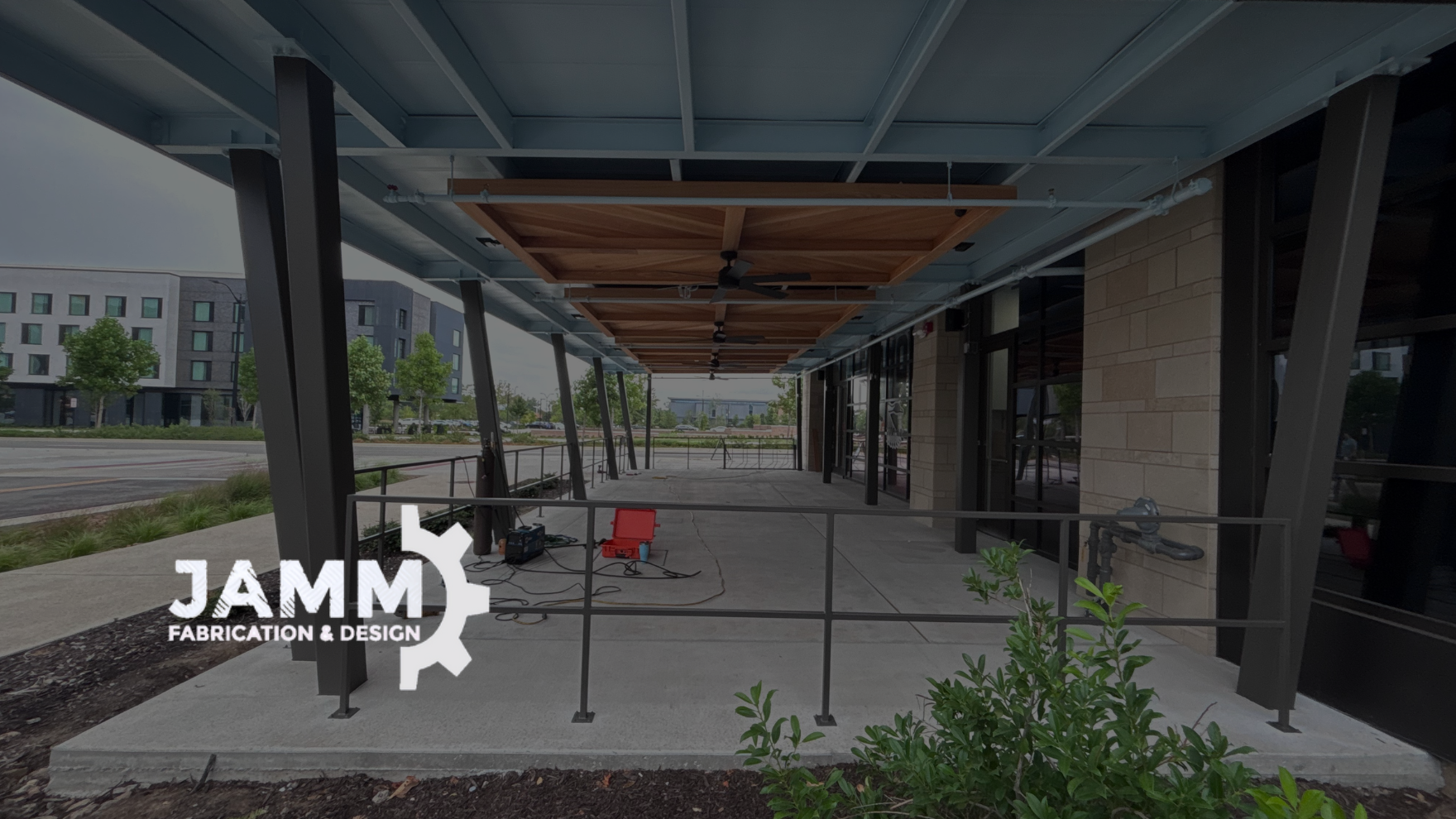
Structural steel plays an important role in commercial construction, industrial facilities, and a wide range of building projects. From beams and columns to supports and custom connections, fabricated steel components help bring a project's design to life.
But what exactly goes into structural steel fabrication, and what should contractors and builders know before getting started?
Understanding the process can help construction teams plan more effectively, communicate with fabricators, and avoid unnecessary delays once a project is underway.
What Is Structural Steel Fabrication?
Structural steel fabrication is the process of cutting, shaping, drilling, fitting, and assembling steel components according to a project's specifications.
Unlike purchasing standard steel material directly from a supplier, fabrication involves preparing that material for its intended application. A steel beam, for example, may need to be cut to length, drilled for connections, fitted with plates, or welded into a larger assembly before it's ready for installation.
The goal is to turn raw steel into components that meet the project's drawings, dimensional requirements, and applicable specifications.
Structural steel fabrication is commonly used in commercial buildings, industrial facilities, equipment supports, platforms, stairs, and other applications where steel provides strength and stability.
Common Structural Steel Components
Depending on the project, structural steel fabrication may involve several types of components.
Beams and Columns
Steel beams and columns are commonly used to support loads and create the framework of a structure. Fabricators prepare these components according to the approved drawings, including the required dimensions, cuts, holes, and connection details.
Base Plates and Connection Plates
Plates are used to connect structural members to foundations or other steel components. Accurate cutting, hole placement, and fit-up are important to ensure the connections can be assembled as designed.
Brackets and Supports
Custom brackets and supports are used throughout commercial and industrial projects. These components may be designed to support equipment, connect structural elements, or accommodate specific installation requirements.
Stairs, Platforms, and Railings
Structural and architectural metalwork often overlap in projects involving stairs, platforms, handrails, and guardrails. These assemblies may require a combination of cutting, forming, welding, and finishing.
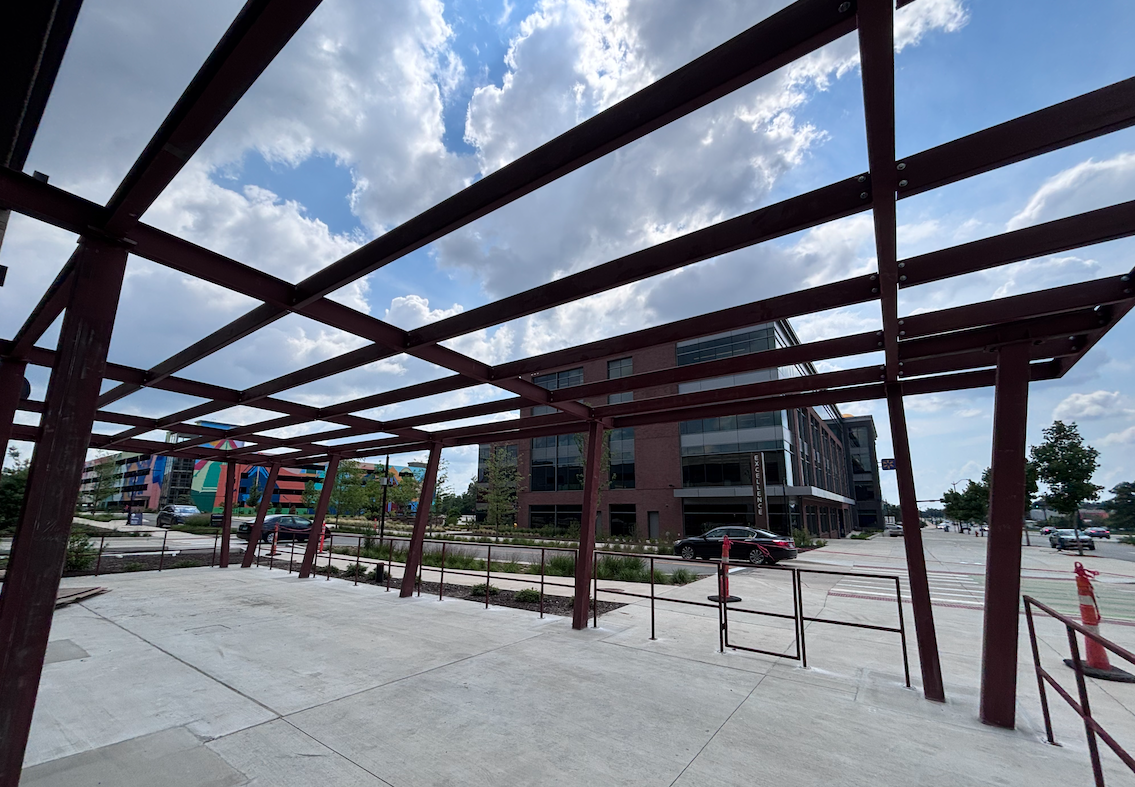
How Does the Structural Steel Fabrication Process Work?
Although every project is different, most structural steel fabrication follows a series of steps.
1. Reviewing Drawings and Specifications
Before fabrication begins, the team reviews the project drawings, material requirements, dimensions, connection details, and other specifications.
This stage is important because missing information or unclear details can affect everything that follows.
Contractors can help streamline the process by providing complete drawings, relevant specifications, and clear expectations for scheduling and delivery.
2. Material Selection and Preparation
Structural steel comes in different shapes, sizes, and grades. The material selected must meet the requirements established by the project's design and engineering documents.
Once the appropriate material is available, fabrication can begin.
3. Cutting, Drilling, and Shaping
Steel components are cut and prepared to match the required dimensions and connection details.
Depending on the component, this may involve saw cutting, laser cutting, drilling, machining, or other fabrication processes.
Accuracy at this stage helps ensure the pieces fit together correctly during assembly and installation.
4. Fitting and Welding
Some projects require individual components to be fitted together and welded into larger assemblies.
Proper fit-up, alignment, and adherence to applicable welding requirements are important for producing components that meet the project's specifications.
Not every structural steel connection is welded. Many projects also incorporate bolted connections, depending on the design.
5. Inspection and Quality Control
Throughout fabrication, components may be checked for dimensions, hole placement, fit, weld quality, and other requirements.
Inspection needs vary depending on the project and its applicable codes and specifications.
Catching issues before components leave the shop can help prevent complications during installation.
6. Finishing and Delivery
Depending on the intended application, fabricated steel may require surface preparation, painting, powder coating, galvanizing, or another specified finish.
Once fabrication and required inspections are complete, the components can be prepared for delivery or installation.
Why Accuracy Matters in Structural Steel Fabrication
Structural steel components are often part of a much larger construction process. A small dimensional error can create problems when multiple pieces need to fit together on-site.
Incorrect hole placement, mismatched connection details, or components fabricated to outdated drawings can lead to additional work, scheduling challenges, and unnecessary costs.
That's why communication between contractors, engineers, project managers, and fabrication teams matters.
Accurate drawings, clearly defined specifications, and a consistent review process help keep projects moving in the right direction.
What Affects Structural Steel Fabrication Lead Times?
Several factors can influence how long a structural steel fabrication project takes.
Material availability: Certain steel shapes, grades, or dimensions may require additional sourcing time.
Project complexity: Custom connections, intricate assemblies, and specialized fabrication requirements can add steps to production.
Drawing readiness: Incomplete drawings, pending approvals, or design changes can delay the start of fabrication.
Quantity: A project involving a few custom brackets has different production requirements than one involving a large number of structural components.
Finishing requirements: Coatings and other finishing processes may affect the overall schedule.
Production scheduling: Shop capacity and coordination with other active projects can influence when fabrication can begin.
For contractors working against construction deadlines, involving the fabricator early can help identify potential challenges before they affect the schedule.
What Should Contractors Provide When Requesting a Quote?
Providing the right information upfront can make the estimating process more efficient.
When reaching out to a structural steel fabricator, it's helpful to have:
Project drawings and relevant specifications
Required material types and grades
Dimensions and estimated quantities
Connection and assembly details
Required finishes or coatings
Applicable inspection or documentation requirements
Desired delivery dates and project location
Information about installation needs, if applicable
Not every project will have all these details finalized at the beginning. However, the more information available, the easier it is for a fabrication team to evaluate the scope and identify questions that need to be addressed.
Choosing the Right Structural Steel Fabrication Partner
When evaluating fabrication companies, contractors should look beyond the initial quote.
A good fabrication partner should be able to clearly communicate its capabilities, review project requirements, identify potential issues, and explain what is needed to move the project forward.
It's also important to understand which services are handled in-house, what types of projects the company typically supports, and whether its capabilities align with the project's requirements.
For projects involving multiple fabrication processes, coordinating those steps with an experienced team can help simplify communication and production planning.
Structural Steel Fabrication with JAMM Fabrication & Design
At JAMM Fabrication & Design, we understand that successful fabrication starts well before the first piece of steel is cut.
From reviewing project requirements to cutting, fitting, welding, and preparing finished components, our team works to help customers move their projects forward.
With operations serving Arkansas, Texas, and the Midwest, JAMM brings fabrication experience and a practical approach to a wide range of custom metal projects.
Have a project in mind? Contact JAMM Fabrication & Design to discuss your drawings, specifications, and fabrication needs.
