
Prototype vs. Production Metal Fabrication: What Changes When You Need More Than One?
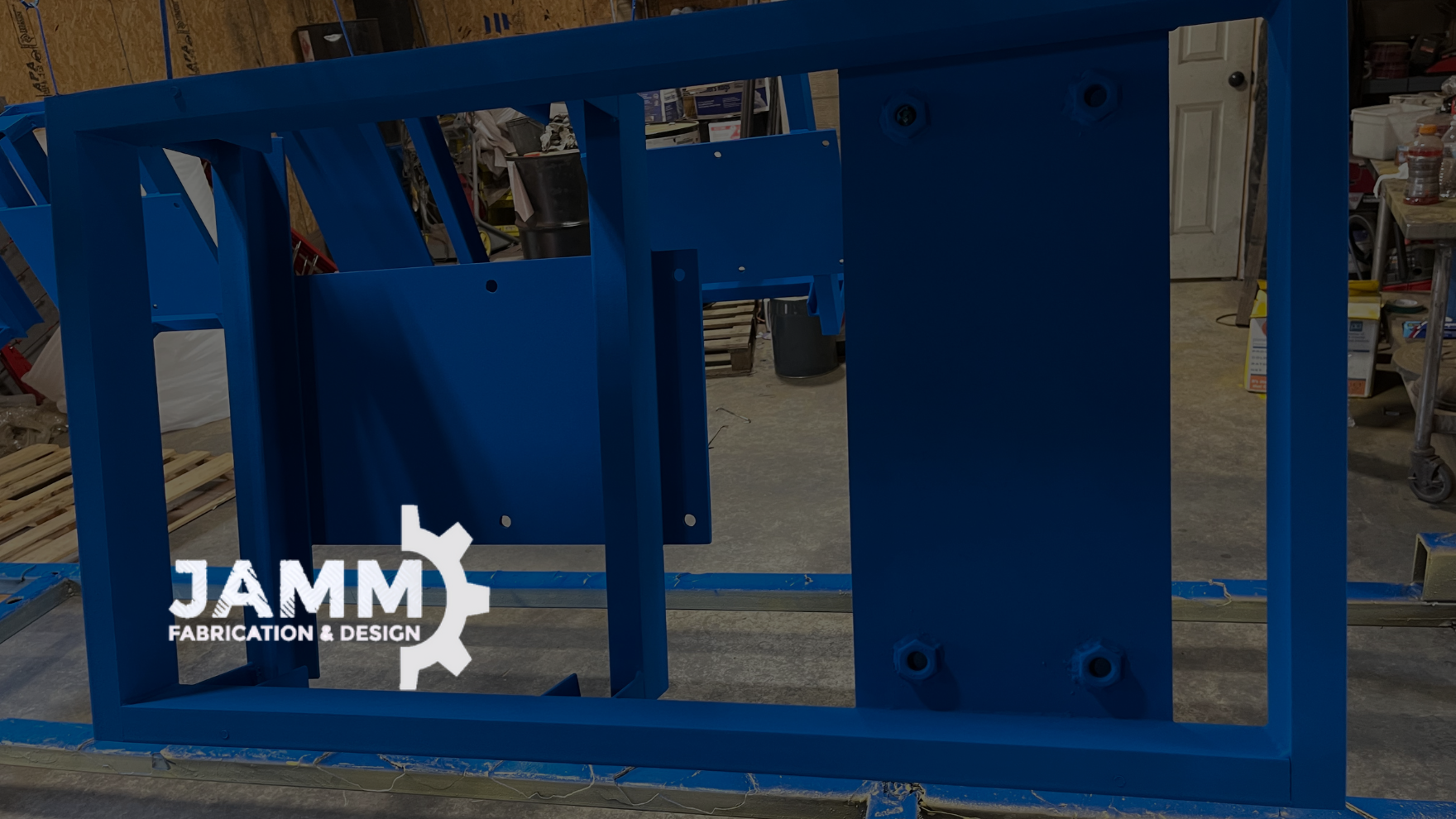
Making one custom metal part and making hundreds of the same part might start with the same drawing, but they aren't necessarily the same fabrication job.
With a prototype or one-off project, the focus may be on proving the design, solving a unique problem, or creating something that only needs to be built once.
When that same project moves into production fabrication, the conversation starts to change. Repeatability, efficiency, tooling, material utilization, quality control, and production time become increasingly important.
Here's what changes as a fabrication project moves from one part to many.
What Is Prototype Metal Fabrication?
A prototype is an early version of a component, product, or assembly created before larger-scale production begins.
Sometimes it's used to test fit or function. Sometimes a customer needs to physically see a design before committing to a larger order. And sometimes the "prototype" simply becomes a one-off custom piece because only one is ever needed.
During this stage, there may still be questions to answer.
Does everything fit correctly? Are the dimensions right? Is the material appropriate? Can the part be fabricated efficiently? Does anything need to change before more are made?
Finding those answers with one or a handful of pieces can be much easier (and less expensive) than discovering a problem after producing hundreds.
What Is Production Metal Fabrication?
Production fabrication involves manufacturing multiple identical or substantially similar parts or assemblies.
That might mean 25 pieces. It could mean hundreds or thousands. The exact number isn't what defines production fabrication. What matters is that the process needs to be repeatable.
Once quantities increase, small inefficiencies multiply. An unnecessary operation that adds only a minute to one part becomes much more significant when repeated hundreds of times.
That's why production work requires thinking beyond simply, "How do we make this?"
The better question becomes, "How do we make this correctly and consistently, over and over again?"
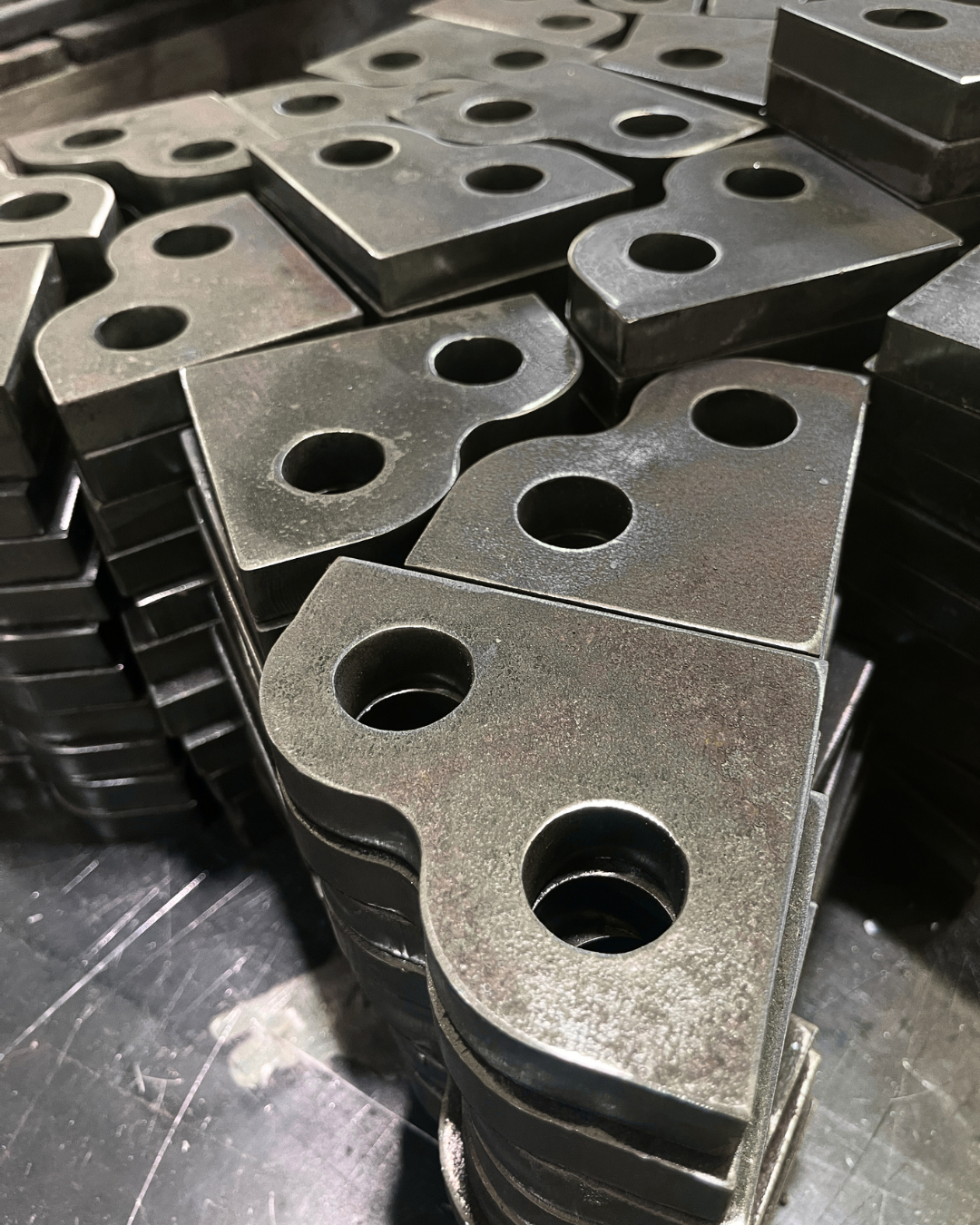
Repeatability Becomes a Priority
For a one-off project, a skilled fabricator may measure, fit, adjust, and verify the piece throughout the process. Production work requires greater consistency from part to part.
Depending on the project, that can mean developing fixtures or jigs, programming CNC equipment, establishing repeatable setups, documenting processes, and creating inspection points.
The goal is to reduce unnecessary variation so that part number 100 matches part number one where the specifications require it.
The Fabrication Process May Change
The most efficient way to manufacture one part isn't always the most efficient way to manufacture 500.
For a prototype, creating specialized tooling or spending significant time optimizing machine programming may not make financial sense.
Once the quantity increases, those investments can begin paying for themselves.
A production project might benefit from:
CNC machining or automated cutting
Dedicated fixtures and jigs
Optimized material layouts
Repeatable welding procedures
Batch processing
Standardized finishing
More efficient material handling
This is where design for manufacturability becomes especially important. Small changes to a design can sometimes eliminate an operation, reduce waste, simplify assembly, or make a component easier to produce consistently.
Material Planning Matters More at Higher Volumes
One part doesn't usually require complicated material planning. A few hundred can.
Production fabrication requires looking at how raw material is purchased and used across the entire run. Sheet and plate layouts can be optimized to reduce scrap. Standard material sizes may influence design decisions. Purchasing larger quantities can also affect availability, lead times, and pricing.
A small amount of material saved on one component may not seem important. Multiply it across a large production run, and it can become significant.
Quality Control Changes, Too.
Quality matters whether JAMM is making one part or one thousand. What changes at higher quantities is how consistency is managed across the entire run.
Rather than waiting until every part is finished to discover a problem, production processes can include checks at different stages.
Dimensions, hole locations, fit-up, welds, finishes, and other specifications may be verified throughout production depending on the requirements of the job.
Catching an issue early matters a lot more when the alternative is repeating it another 500 times.
Does a Higher Quantity Make Each Part Cheaper?
Often, but not automatically.
Certain setup costs can be spread across a larger number of parts. Machines can stay configured for longer runs. Material usage may become more efficient. Workers can repeat established processes rather than continually switching between different jobs.
Those efficiencies can reduce the cost per part as quantities increase.
But complexity still matters. Tight tolerances, specialized materials, extensive welding, complicated assemblies, finishing requirements, or multiple secondary operations can all affect production cost.
That's why quantity is only one part of a fabrication quote.
When Should You Involve Your Fabricator?
Ideally, before you've completely locked in a design intended for production.
A drawing can work perfectly on paper and still include features that make the part unnecessarily difficult or expensive to manufacture.
Getting a fabricator involved earlier creates an opportunity to look at the project from a production perspective.
Can a bend replace a welded joint? Can several pieces become one? Can a hole or feature be created during the initial cutting operation rather than added later? Could a different material size reduce waste?
Not every design needs to change. But asking those questions before production begins can save a lot of headaches later.
From One Part to Hundreds
Going from a prototype to a production run isn't simply a matter of pressing "repeat."
As quantities grow, planning, repeatability, material efficiency, equipment selection, quality control, and workflow all become bigger parts of the equation.
The best production fabrication processes are built around making the right part - not just once, but consistently throughout the entire run.
At JAMM Fabrication & Design, we handle everything from custom one-off fabrication to repeat production work. If you've got a new part to build, an existing product that needs to scale, or drawings ready for a quote, send them our way and let's talk about what it takes to get your project onto the shop floor.
