
Why Accurate Measuring Matters Before Fabrication Begins
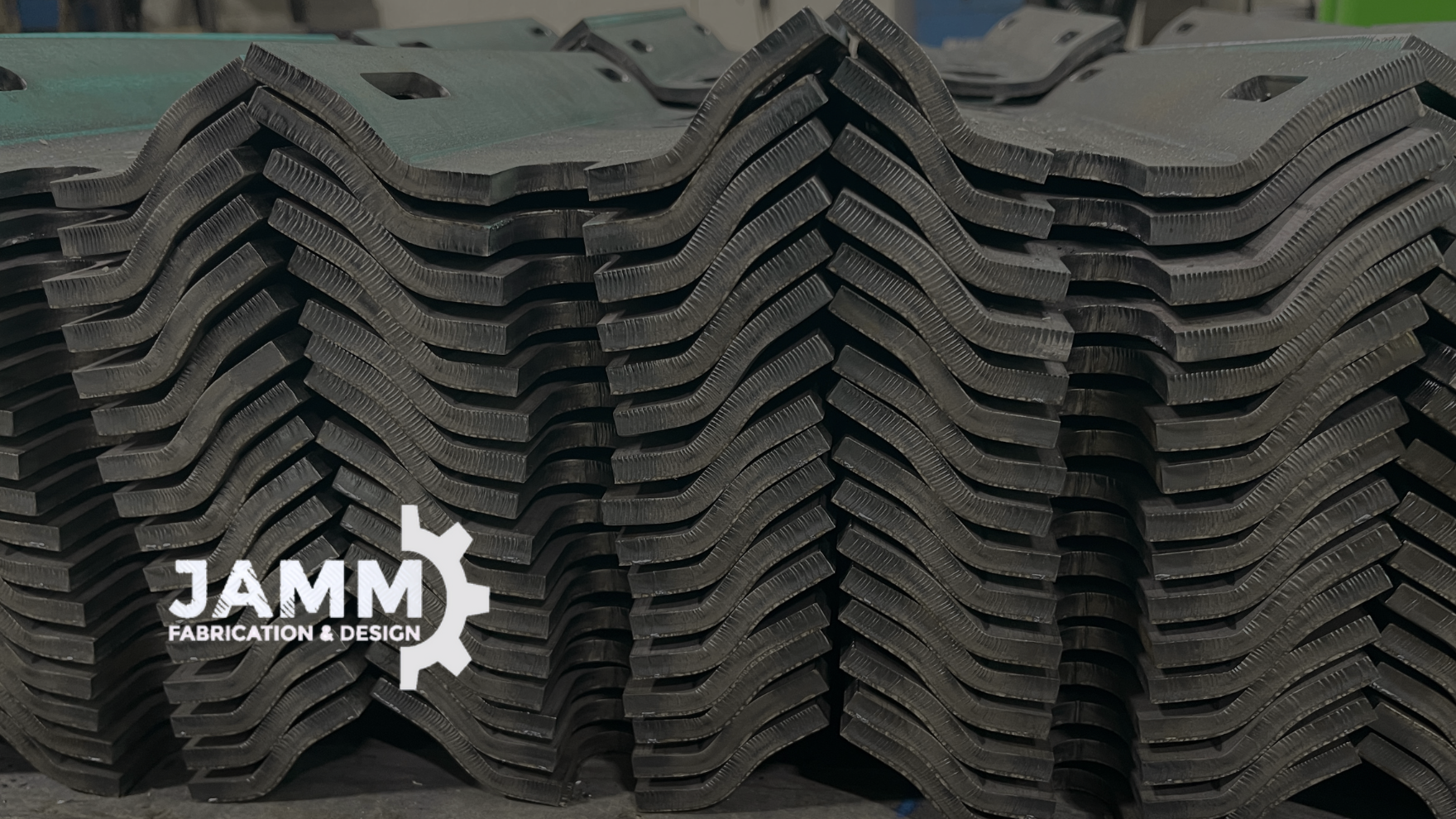
In metal fabrication, a lot happens before the first piece of material is ever cut. Drawings have to be reviewed. Materials have to be selected. Equipment has to be set up. And somewhere near the beginning of that process, the measurements have to be right.
It sounds simple, but accurate measuring can have a major impact on how smoothly a fabrication project moves from the initial plan to the finished product. A small discrepancy at the beginning can create bigger problems later, especially when fabricated components need to fit existing structures, line up with other parts, or be installed in the field.
At JAMM Fabrication & Design, getting the details right from the start helps our team work more efficiently throughout the entire project.
Good Fabrication Starts Before the Shop
For many custom metal fabrication projects, some of the most important work happens before material reaches a machine.
Depending on the job, our team may need to review drawings, verify dimensions, or visit a jobsite to get a better understanding of the space. Field measurements can be especially important for projects involving existing buildings and structures where what's on paper doesn't always tell the entire story.
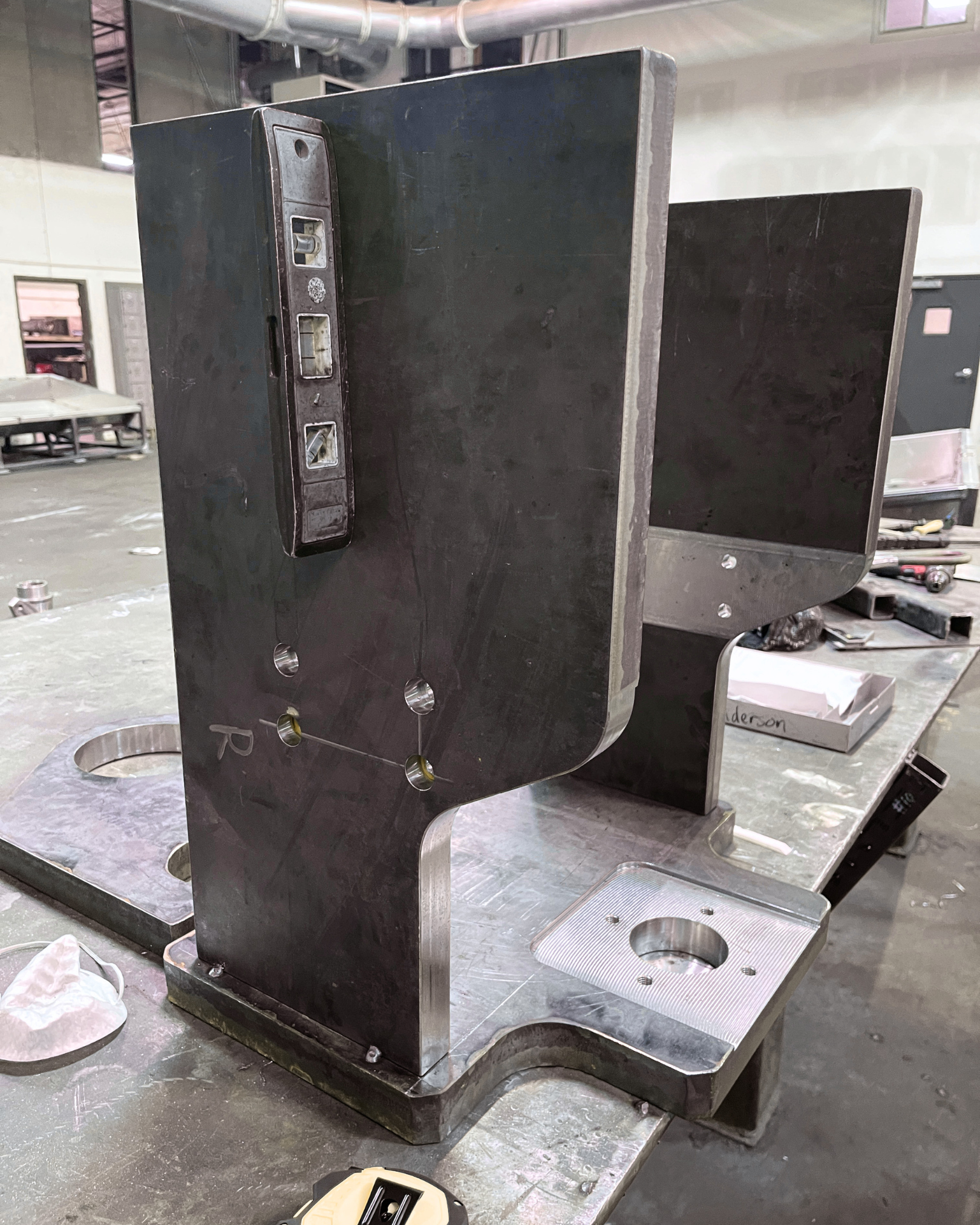
Taking the time to gather accurate information upfront gives our fabrication team a better picture of what they're building and where the finished product needs to go.
Small Measurements Can Make a Big Difference
Metal fabrication often involves components that have to work together with very little room for error. Hole locations need to line up. Connections need to fit. Angles need to be correct. Finished pieces may also need to connect to structural components that are already in place.
A measurement that's slightly off can affect much more than one part. On larger assemblies, those differences can add up and potentially create problems during fabrication or installation. That's why accuracy isn't reserved for the machines in the shop. It starts with the information being used to build the project in the first place.
Measure First, Fabricate Second
There's an old saying in the trades: measure twice, cut once. There's a reason it has stuck around. Confirming dimensions before fabrication begins can help prevent unnecessary material waste, rework, delays, and additional costs. It's much easier to verify a measurement at the beginning of a project than discover a problem after something has already been cut, formed, welded, or finished.
For custom fabrication projects, those upfront checks are simply part of doing the job right.
Accurate Measurements Help the Shop Work More Efficiently
Good information also helps production move more efficiently. Once a project reaches the shop floor, our team needs to know exactly what they're working from. Clear drawings and verified dimensions allow fabricators to focus on building instead of stopping production to resolve questions that could have been addressed earlier.
This becomes even more important with complex projects involving multiple components or several fabrication processes.
When everyone is working from accurate information, the project has a much better chance of moving smoothly from one stage to the next.
It Matters Even More During Installation
A well-fabricated piece isn't much use if it doesn't fit when it arrives at the jobsite.
For railings, stairs, structural components, architectural metalwork, supports, and other installed projects, field conditions matter. Existing construction, mounting locations, clearances, elevations, and surrounding structures can all affect the finished dimensions.
Careful measuring helps our team account for those conditions before fabrication begins. The goal is simple: when the finished project arrives on site, it should be ready to do the job it was built to do.
Accuracy Matters in High-Volume Fabrication, Too.
Accurate measurements aren't only important for one-off custom projects. When you're producing a large quantity of the same component, repeatability becomes critical. A small error repeated once is a problem. That same error repeated hundreds of times becomes a much bigger one.
That's why accurate drawings, measurements, machine setup, and quality checks all work together in high-volume metal fabrication. The first part needs to be right, and so does the hundredth.
From the First Measurement to the Final Check
Modern fabrication equipment gives us the ability to cut, form, machine, and fabricate metal with impressive accuracy, but technology is only one part of the process. From estimating and field measurements to drawings, fabrication, finishing, and final inspection, every stage builds on the one before it. Taking the time to get measurements right at the beginning helps our team deliver better results at the end.
At JAMM Fabrication & Design, we're equipped to handle projects ranging from custom one-off builds to structural work and high-volume production. If you have a metal fabrication project in the works, bring us in early. We'll help you work through the details and get the project headed in the right direction from the start.
