
What Makes a Fabrication Shop Efficient?
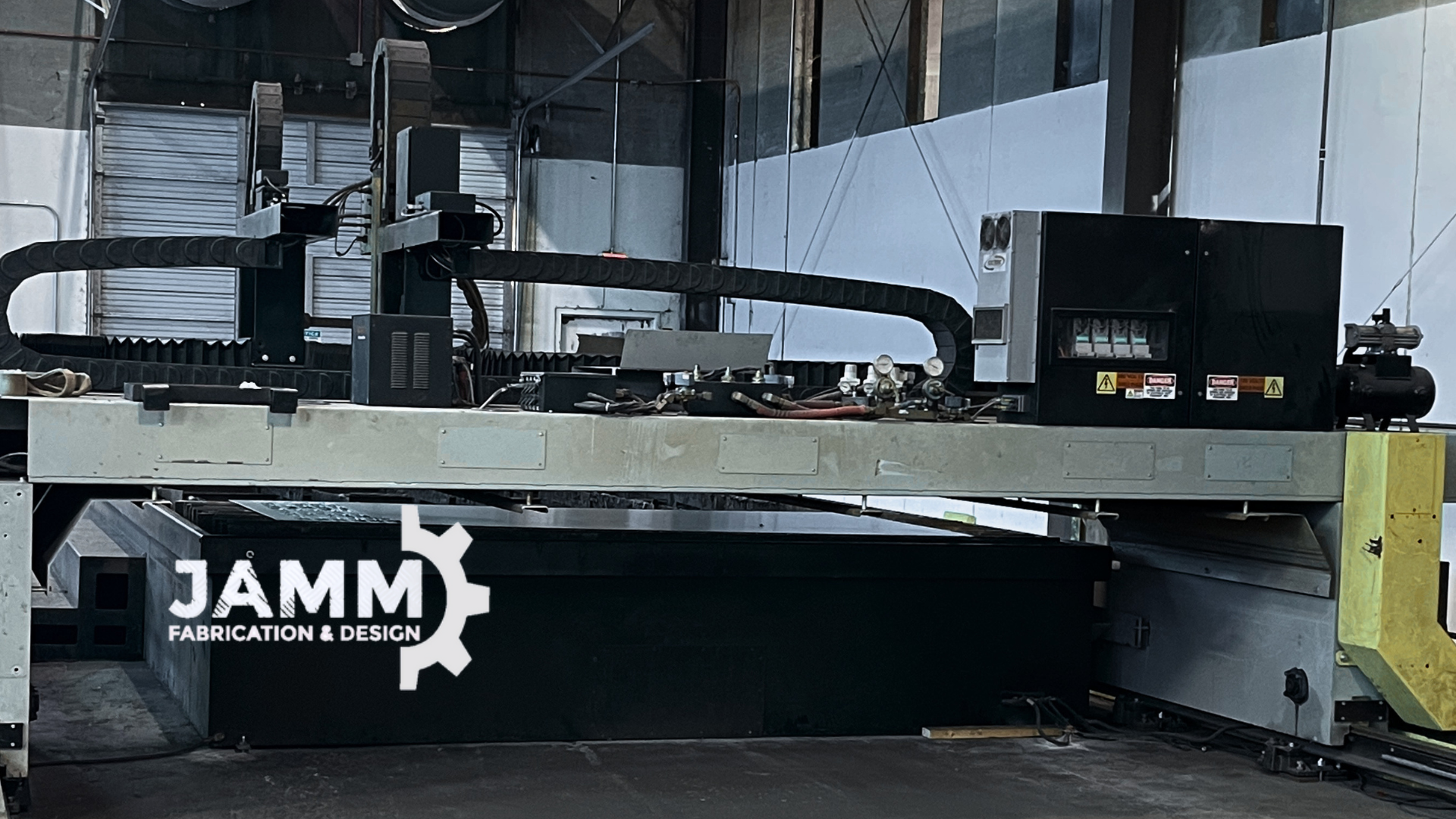
When people think about metal fabrication, they usually picture sparks, heavy equipment, and finished projects leaving the shop floor. But behind every successful fabrication project is something less obvious: efficiency.
An efficient fabrication shop doesn’t just work faster. It works smarter. From communication and workflow to equipment and production planning, efficiency plays a major role in quality, consistency, and turnaround time.
For customers, that efficiency can make the difference between a smooth project and a frustrating one.
Efficiency Starts Before Production
One of the biggest misconceptions about fabrication is that efficiency only matters once production begins. In reality, a large part of it happens before the first cut is ever made.
An organized fabrication shop should have clear communication, accurate drawings, realistic timelines, and strong project coordination from the start. When information is missing or unclear, production slows down quickly.
That’s why planning matters. Reviewing project details early helps avoid delays, material issues, and unnecessary rework later in the process.
Workflow Is Critical
In a busy metal fabrication shop, workflow is everything.
Efficient shops are designed to keep projects moving smoothly from one stage to the next. Material comes in, parts move through cutting and forming, fabrication progresses, finishing gets completed, and projects are prepared for delivery - all without unnecessary slowdowns in between.
Good workflow helps:
Reduce downtime
Improve turnaround times
Maintain consistency across projects
Keep production organized
Even small improvements in workflow can have a major impact over time, especially during high-volume production runs.
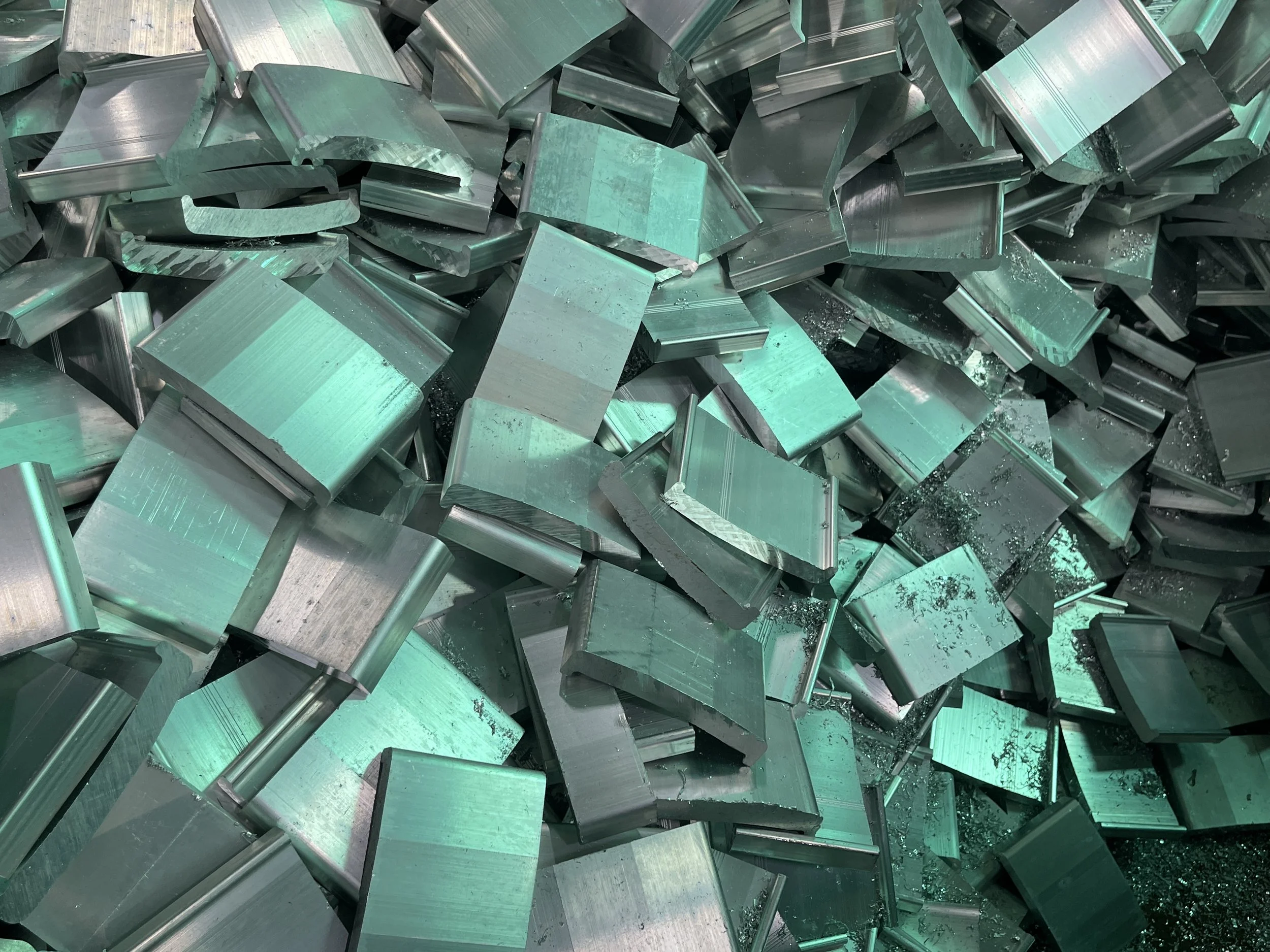
Equipment Plays a Major Role
Modern fabrication equipment allows shops to improve both speed and consistency.
Machines designed for repeatability help ensure parts are produced accurately over and over again. Efficient equipment setups also reduce unnecessary handling and setup time, helping projects move through production more smoothly.
That doesn’t mean machines replace people. Skilled operators still play a huge role in the final result. Equipment simply gives experienced teams the ability to work more efficiently and maintain tighter control over the process.
Consistency Is Part of Efficiency
Efficiency is not just about moving quickly. It’s about producing quality work consistently.
A fabrication shop that rushes through production but creates errors, delays, or inconsistent parts is not truly efficient. The best shops focus on balancing speed with accuracy.
Consistency matters in:
Production quality
Communication
Scheduling
Final inspection
When processes stay organized and repeatable, projects tend to move more smoothly from start to finish.
Communication Keeps Projects Moving
One of the most overlooked parts of an efficient fabrication shop is communication.
Customers need updates. Teams need accurate information. Schedules need coordination. Without communication, even well-equipped shops can struggle to keep projects on track.
Strong communication helps:
Prevent misunderstandings
Reduce delays
Improve planning
Keep expectations realistic
Efficiency on the shop floor often starts with efficiency in communication.
Why Efficiency Matters to Customers
For customers, an efficient fabrication shop means:
More reliable timelines
Better project organization
Consistent quality
Smoother project execution
Efficiency in metal fabrication is about more than working fast. It’s about having the right systems, equipment, communication, and people in place to keep projects moving the right way. It creates confidence that the work will be completed correctly and delivered when expected.
At JAMM, efficiency means staying organized, maintaining consistency, and making sure every project continues moving forward from start to finish. Because in fabrication, good work is not just about what gets built…it’s also about how it gets done.
